What happens during the Practical Test

There are 4 parts to the driving test:

  • an eyesight check
  • ‘show me, tell me’ vehicle safety questions
  • general driving ability (including independent driving)
  • reversing your vehicle

How long the test lasts

You’ll drive for around 35 minutes.

You’ll drive for around 65 minutes if you’re taking an extended driving test because you’ve been banned from driving.

Eyesight check

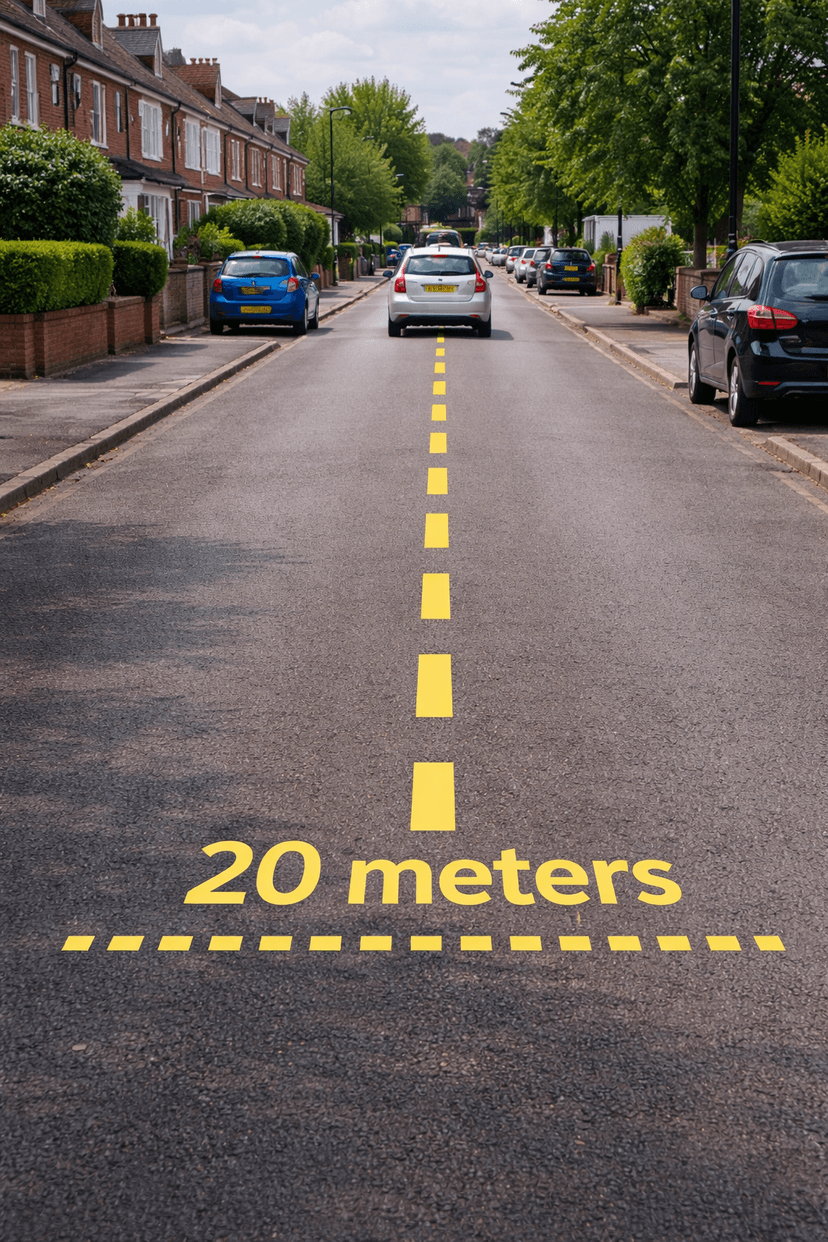
You’ll have to read a number plate from a distance of:

  • 20 metres for vehicles with a new-style number plate
  • 20.5 metres for vehicles with an old-style number plate
Number plates
New-style number plates start with 2 letters followed by 2 numbers, such as AB51 ABC.
‘Show me, tell me 🔗’ questions

You’ll be asked the:

  • ‘tell me’ question at the start of your test, before you start driving
  • ‘show me’ question while you’re driving

Your general driving ability (including independent driving)

You’ll drive in various road and traffic conditions, but not on motorways.

You’ll drive independently for 20 to 35 minutes. You’ll need to follow either:

  • directions from a sat nav
  • traffic signs
  • a combination of both

The examiner will tell you which you have to follow.

They’ll set the sat nav up for you. You cannot use your own sat nav.

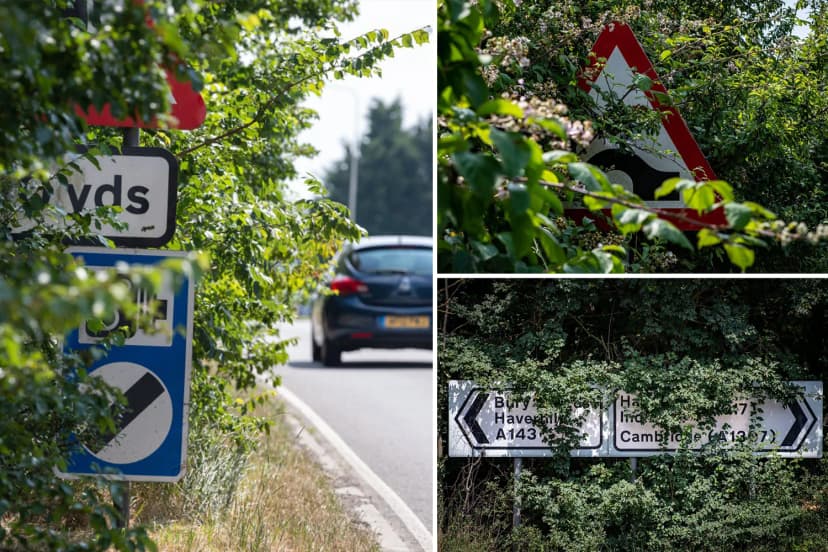
If you cannot see traffic signs

If you cannot see a traffic sign (for example, because it’s covered by trees), the examiner will give you directions until you can see the next one.

Traffic signs

Going off the route

The examiner will not give you a fault for taking a wrong turning.

If you’re not following a sat nav or traffic signs

The examiner will give you turn-by-turn directions to follow at any time when you’re not following directions from a sat nav or traffic signs.

Driving test routes are not published, so you cannot check them before your test.

Pulling over at the side of the road

You’ll be asked to pull over and pull away during your test, including:

  • a normal stop at the side of the road
  • pulling out from behind a parked vehicle
  • a hill start
You might also be asked to carry out an emergency stop.

Reversing your vehicle

The examiner will ask you to do one of the following exercises:

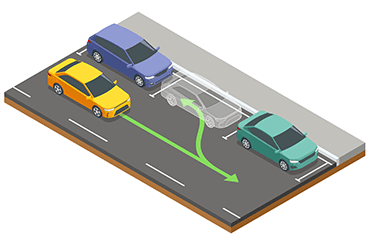
  • parallel park at the side of the roadparallel park at the side of the road
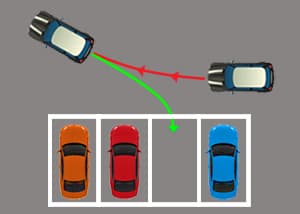
  • park in a parking bay – either by driving in and reversing out, or reversing in and drivingpark in a parking bay – either by driving in and reversing out, or reversing in and driving
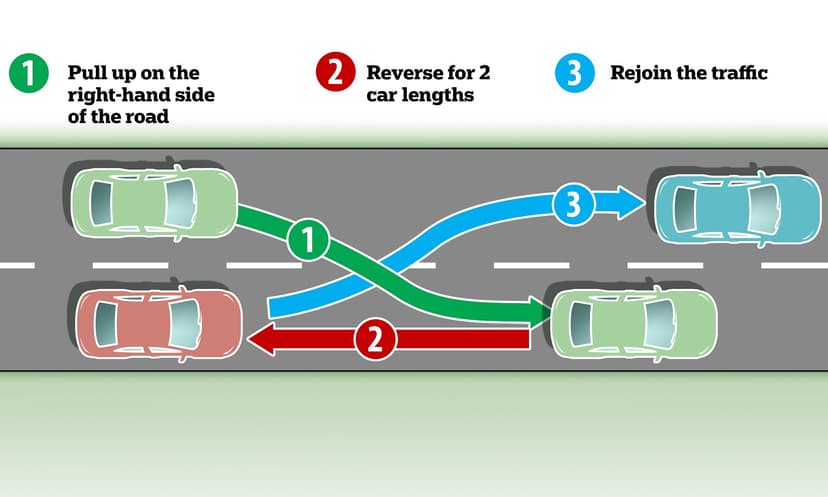
  • pull up on the right-hand side of the road, reverse for around 2 car lengths, and rejoin the trafficpull up on the right-hand side of the road, reverse for around 2 car lengths, and rejoin the traffic

If you make mistakes during your test

You can carry on if you make a mistake. It might not affect your test result if it’s not serious.

Your driving examiner will only stop your test if they think your driving is a danger to other road users.

There are 3 types of faults you can make:

  • a dangerous fault - this involves actual danger to you, the examiner, the public or property
  • a serious fault - something potentially dangerous
  • a driving fault - this is not potentially dangerous, but if you keep making the same fault, it could become a serious fault

Pass mark

You'll pass your driving test if you make:

  • no more than 15 driving faults (sometimes called minors)
  • no serious or dangerous faults (sometimes called majors)

Other people at your test

Your driving examiner’s supervisor might sit in on your test to watch your examiner’s performance.

Your driving examiner will ask if you want someone to:

  • sit in the back of the car during the test
  • be with you for the result and feedback

This will usually be your driving instructor, but you can take a relative or friend.